
Delhi High Court Lawyer: Understanding Your Legal Options and Court Proceedings
Appearing before the High Court is a significant legal process, however, not all cases go through the same pathway to reach the High Court. The matter could come up to the High Court of Delhi by way of appeal from a lower court order, by way of revision, by way of a writ petition or by any other proceeding that is authorized by law. There may also be some situations wherein the High Court will have original jurisdiction.
An expert Delhi High Court lawyer can assist in analyzing the remedy, time period, and the papers to be filed to determine the subsequent step.
When Does a Case Go to the Delhi High Court?
Many people tend to believe that all legal disputes, which need serious consideration, must necessarily go to the High Court. However, there can be various courses based on the nature of the dispute and law applicable. Certain disputes go to the High Court in the aftermath of a legal proceeding from the subordinate courts or tribunals. There can be other disputes where the dispute involves a challenge against the act or omission by a government department or statutory authority.
Some examples include challenging an order, initiating an appeal, disputing a jurisdictional mistake and so on. It is necessary that the right legal procedure be chosen and not only the remedy because of the gravity of the issue. There may be various considerations such as the court, the authority, the right itself, and the period which can affect the choice. A Delhi High Court advocate can examine these aspects and explain which legal route may be available.
Where the dispute needs to be taken up in the High Court, one can take recourse to Delhi High Court Lawyer for getting some guidance.
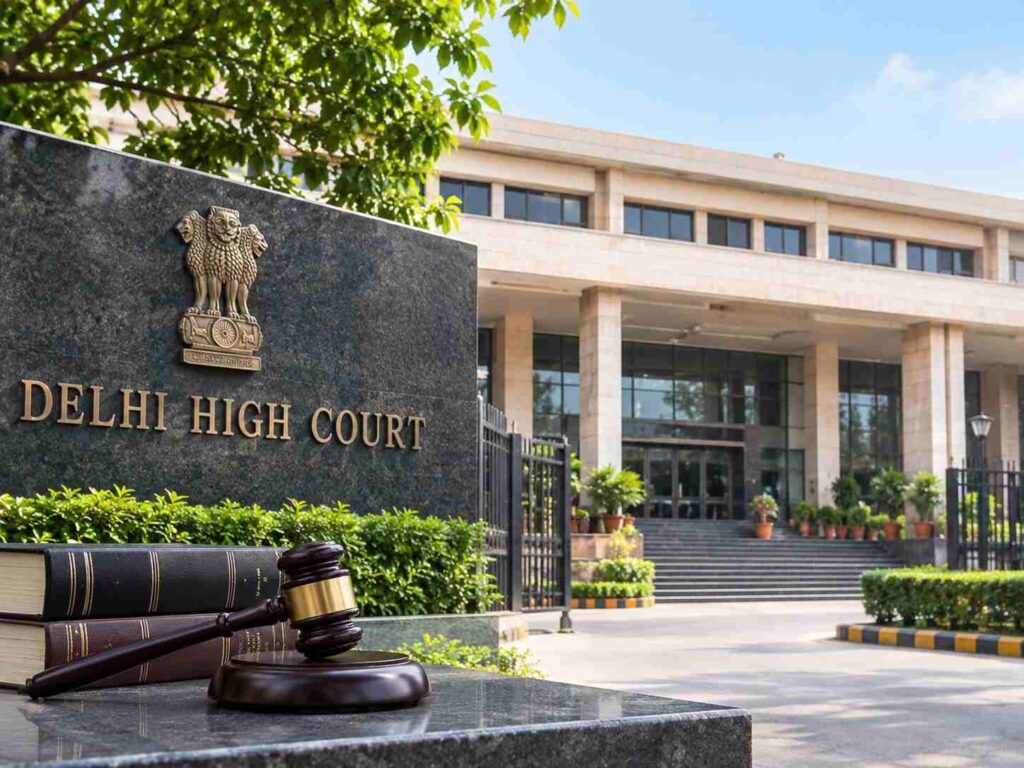
Civil and Criminal Matters Have Different Legal Requirements
The matters that arise in the Delhi High Court vary widely and cover a lot of aspects in the field of civil law, including property matters, business related cases, contractual disputes, labor matters, intellectual property law and appeal against the judgment of the lower court. This will depend on the type of case, rights involved, orders made earlier, and the documents available. A Delhi High Court lawyer may have to review the whole situation first before advising which procedure to follow. A civil lawyer in Delhi may be required depending on the nature of the civil dispute and the relief being sought.
In criminal cases, you may have to make applications for bail, make appeals, revisions, and petitions in connection with the investigation or criminal proceedings. Criminal proceedings may have serious implications for an individual’s freedom, evidence, investigation, and procedure. This is the kind of work that a Civil Lawyer does not handle. The above is why it becomes important to understand the nature and level of your case before doing anything.
Appeals, Revisions and Reviews: What Is the Difference?
Civil appeal is a form of relief which enables a higher court to consider the judgment/order rendered by a lower court/authority. Depending on the relevant law and nature of the case, the appeal may raise issues of fact, law, or both. The scope of consideration by the appellate jurisdiction will depend upon the nature of the proceeding and the provision under which the appeal has been made.
Revision has a different scope and will generally be required in cases involving issues of jurisdiction or gross legal/procedural irregularities. Review has a still further limited scope and is available only on recognised grounds. Given the different requirements and limitations of these two forms of relief, it is necessary to properly examine the original judgment/order before initiating any form of challenge.
A Delhi High Court lawyer may look into the original judgment/order and procedure of the case and determine the correct relief for the case.
Writ Petitions and Constitutional Remedies
Under Article 226 of the Constitution, High Courts have been endowed with the authority to issue writs whenever the situation calls for it. Writ petitions may be filed in situations where the act, decision, or non-decision made by any public authority creates any legal and constitutional question. Considering the particular case scenario, the Court may be called upon to look into legal remedies such as mandamus and certiorari.
However, simply because there exists a particular grievance does not automatically qualify it as the proper legal course of action. There are a number of other considerations such as the nature of authority, the particular right concerned, and the existence of another legal recourse.
The Delhi High Court Lawyer may analyze these prior to recommending any such course of action.
What Happens After a Matter Is Filed?
An issue in the High Court is not only about presenting oneself in front of the judge on the hearing date. Prior to filing, it is necessary that all information concerning the complete case and any prior orders should be known to the attorneys. The relevant laws are to be identified as well. It could be a notice of appeal, petition, application, reply, affidavit or other documents based upon the nature of the case.
Following the filing, the case can be examined before listing before the court. At later stages, there may be notices, responses, interim applications or directions for future proceedings. Some issues can be sorted out in an early stage while some others might need a few hearings due to their complexity. A Delhi High Court lawyer can help you in the process as the case develops.
One of the reasons why the record of past hearings is important is that the way the case would be handled depends on it.
What Should You Keep Ready Before Meeting a Lawyer?
It is highly advantageous to have all case documents in order when seeking preliminary legal advice. It is always recommended to present not just the most recent document but rather those which reflect the history of the problem.
You may need to keep together:
- Previous judgments, orders and case papers
- Legal notices, replies and applications
- Contracts, agreements and relevant records
- Government or departmental communications
- Important correspondence and supporting evidence
- Details of earlier proceedings and their current status
- Dates related to orders, notices, decisions or any transaction
It would also be very useful if you prepare a timeline of important events. This will help the Delhi High Court lawyer to understand the situation, what is involved in your case and the possible limitations.
Does Every Dispute Need to End in Court?
Absolutely not. There could be instances where depending on the nature of the dispute in question, the parties could choose to resort to negotiation, mediation, or arbitration rather than pursuing their legal case through a fully contested court process. This would enable them to solve the issue in a realistic manner without spending too much money and wasting too much time.
Where a valid arbitration agreement covers the dispute, arbitration may be considered. An Arbitration Lawyer in Delhi may assist with understanding the arbitration process and the legal options available. In a similar way, mediation is helpful in situations where both the parties are willing to negotiate their case with the help of a neutral third person.
A Delhi High Court lawyer can assist a party to determine if litigation strategy or settlement is appropriate for their case or not.
Take the Next Step With the Right Legal Guidance
It is always useful to take legal advice before things become extremely urgent. In case you have got any unfavorable orders, want to contest against any decision, have plans to appeal/revision or require any interim relief, getting early legal opinion will certainly help you in making informed decisions.
At Shape Legal Advocates & Solicitors, we always make an effort to learn about the facts, documents and background of the matter before providing any legal opinion regarding your case. However, the objective is not only to file a case in the High Court, but one should be aware about the type of reliefs available, the forum for filing the case and how the case is to be prepared. This depends on the type of case, and accordingly advice of any specialist may also be required at that stage.
In case you are not aware about what should be your next course of action in your High Court case, then kindly visit with orders, notices and all necessary papers. Our experienced Delhi High Court lawyer is ready to assist you with all your needs.