#chequebouncelawyer

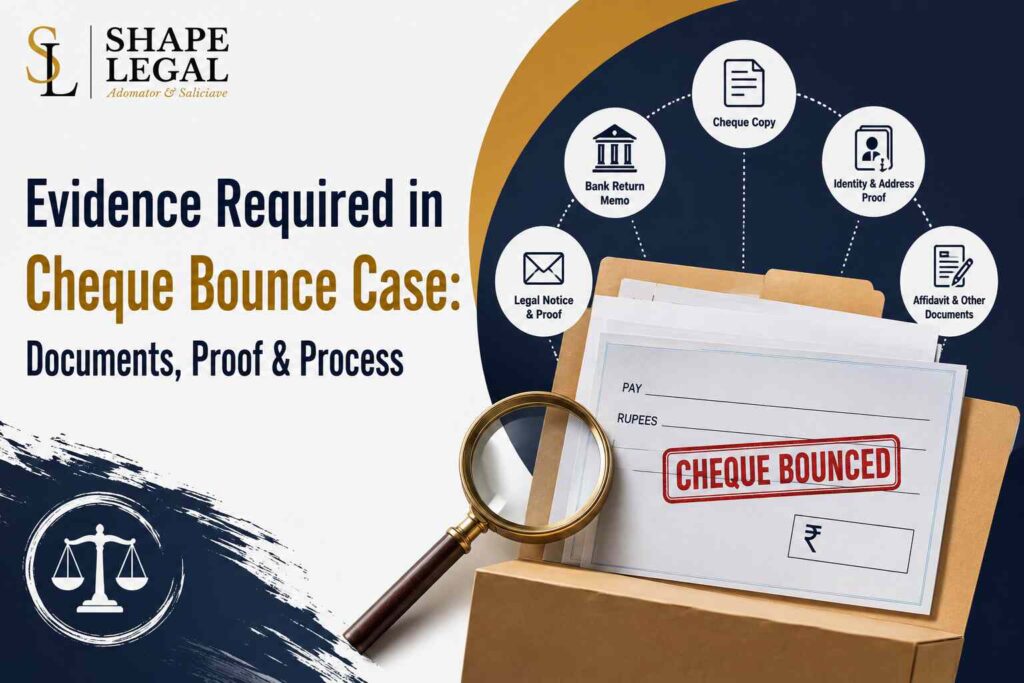
evidence required in cheque bounce case

Evidence Required in Cheque Bounce Case: Documents, Proof & Process

If a cheque is dishonoured, the cheque itself is only one part of the case. The evidence required in cheque bounce case may include the original cheque, bank return memo, legal notice, proof of service and documents connected with the underlying debt or liability. However, as per Section 138 of the Act of 1881, there […]

Evidence Required in Cheque Bounce Case: Documents, Proof & Process Read More »
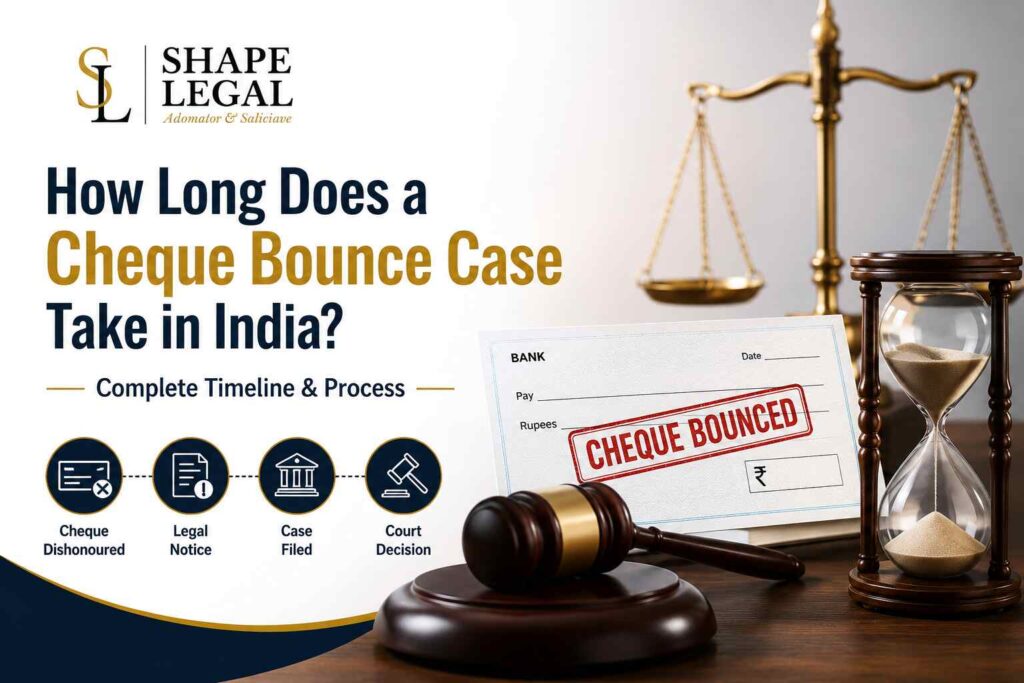
cheque bounce case timeline

How Long Does a Cheque Bounce Case Take in India? Complete Timeline & Process

A cheque bounce case could take several months or more, based on various factors like court, service of summons, evidence, adjournment, settlements, or any other appeals. There is no single finish date for every matter. The cheque bounce case time can vary by court. Understanding the cheque bounce case timeline is therefore more useful than

How Long Does a Cheque Bounce Case Take in India? Complete Timeline & Process Read More »

Cheque Bounce Cases in India: Legal Remedies, Penalties & Recovery Process

A cheque is one of the most widely used financial instruments for business transactions, loan repayments, rent payments, and commercial dealings in India. However, when a cheque is returned unpaid by the bank due to insufficient funds or other valid reasons, it is known as a cheque bounce or dishonour of cheque. Cheque bounce cases

Cheque Bounce Cases in India: Legal Remedies, Penalties & Recovery Process Read More »

Cheque Bounce Under Section 138 NI Act: Everything You Need to Know

Cheque bounce cases are among the most common financial and legal disputes in India. Whether it is a business transaction, personal loan repayment, partnership dealing, or payment for services, a dishonoured cheque can create serious financial complications for both parties. To protect the credibility of cheque transactions and maintain trust in the banking system, the

Cheque Bounce Under Section 138 NI Act: Everything You Need to Know Read More »

Cheque Bounce Due to Insufficient Funds: Legal Consequences Explained

Cheque Bounce Due to Insufficient Funds: Legal Consequences Explained

A cheque bounce due to insufficient funds is one of the most common financial disputes faced by individuals, businesses, traders, and companies in India. When a cheque issued by a person or organization is dishonoured by the bank because the account does not contain adequate balance, it can lead to serious legal and financial consequences

Cheque Bounce Due to Insufficient Funds: Legal Consequences Explained Read More »

Cheque Bounce Laws in India: Legal Remedies and Implications

In India, a cheque bounce is not just a financial inconvenience—it’s a legal offense under the Negotiable Instruments Act, 1881. With an increase in cheque-based transactions, understanding the law governing dishonoured cheques is crucial for individuals and businesses alike. What Is a Cheque Bounce? A cheque bounce occurs when a bank refuses to honour a cheque,

Cheque Bounce Laws in India: Legal Remedies and Implications Read More »

Cheque Bounce Laws in India: A Complete Guide

Cheque Bounce Laws in India: A Complete Guide Cheque bounce, or dishonour of cheque, is a common financial offence in India governed primarily under Section 138 of the Negotiable Instruments Act, 1881. When a cheque is dishonoured due to insufficient funds or other reasons, it can lead to both civil and criminal liability. Here’s a comprehensive

Cheque Bounce Laws in India: A Complete Guide Read More »

Best Cheque Bounce Lawyer in Janakpuri Delhi

A cheque bounce, also known as dishonor of a cheque, occurs when a bank refuses to honor a cheque due to insufficient funds, mismatched signatures, overwriting, or other banking issues. This is a serious financial offense and can lead to legal consequences under the Negotiable Instruments Act, 1881, particularly Section 138. Legal Framework for Cheque Bounce Cases

Best Cheque Bounce Lawyer in Janakpuri Delhi Read More »