
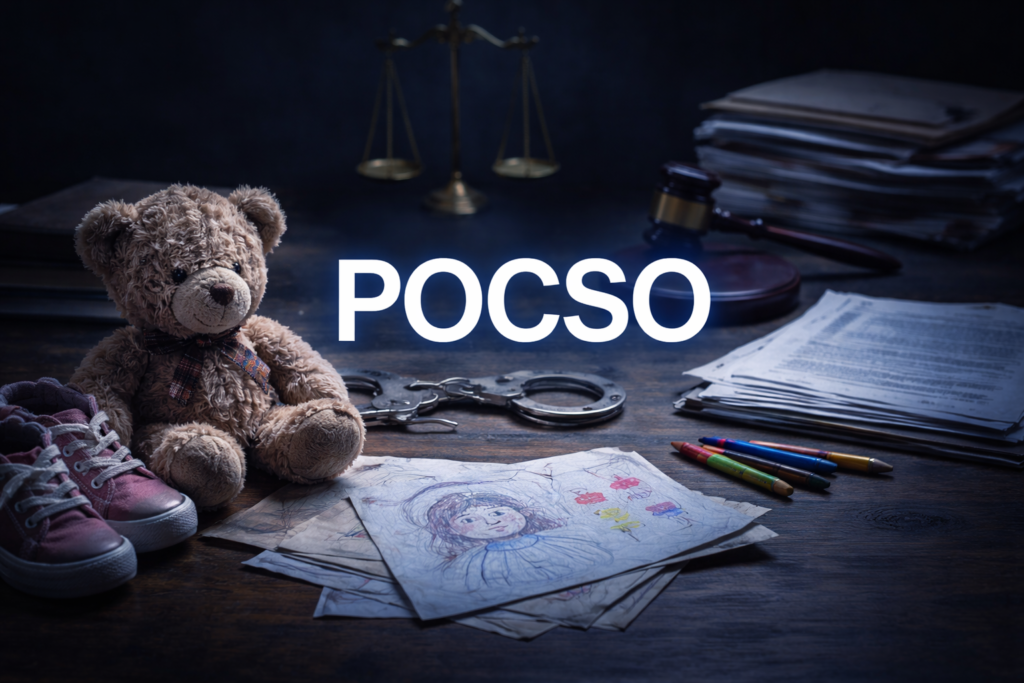
The Protection of Children from Sexual Offences Act, commonly known as the POCSO Act, is a comprehensive law enacted in 2012 to safeguard children from sexual abuse, exploitation, and harassment. This legislation was introduced to address the growing need for a robust legal framework that specifically protects minors (individuals below 18 years) from sexual crimes and ensures child-friendly mechanisms for reporting, investigation, and trial.
The POCSO Act is gender-neutral, meaning it protects both boys and girls from sexual offences. It recognizes that children are vulnerable and require special legal protection, making it one of the most significant child protection laws in India.
### Key Objectives of the POCSO Act
The primary objective of the POCSO Act is to protect children from various forms of sexual abuse and to ensure their dignity and safety. It also aims to provide a speedy trial process and reduce the trauma faced by child victims during legal proceedings.
The Act ensures:
* Protection of children from sexual assault, harassment, and pornography
* Establishment of Special Courts for speedy trials
* Child-friendly procedures during investigation and trial
* Strict punishment for offenders
* Mandatory reporting of offences
### Definition of a Child
Under the POCSO Act, a child is defined as any person below the age of 18 years. Consent of a minor is not considered valid in cases involving sexual offences, making any such act punishable under the law.
### Types of Offences Under POCSO
The Act clearly defines different types of sexual offences against children:
**1. Penetrative Sexual Assault**
This includes acts where there is penetration of sexual organs or objects into a child’s body. It is considered one of the most serious offences under the Act.
**2. Aggravated Penetrative Sexual Assault**
This is a more severe form of assault, involving situations where the offender is in a position of authority or trust, such as a teacher, police officer, or family member.
**3. Sexual Assault**
This refers to non-penetrative physical contact with sexual intent.
**4. Sexual Harassment**
Includes actions such as showing pornography, making sexual remarks, or inappropriate gestures towards a child.
**5. Use of Children for Pornography**
The Act criminalizes the use of children in pornographic content, including storing, distributing, or creating such material.
### Punishments Under the POCSO Act
The POCSO Act prescribes strict punishments to deter offenders:
* Penetrative sexual assault: Minimum 10 years imprisonment, extendable to life
* Aggravated penetrative sexual assault: Minimum 20 years imprisonment, may extend to life or death penalty in severe cases
* Sexual assault: 3 to 5 years imprisonment
* Sexual harassment: Up to 3 years imprisonment
* Child pornography offences: Severe penalties including imprisonment and fines
Punishments have been further strengthened through amendments to ensure stricter consequences for offenders.
### Mandatory Reporting
One of the most important features of the POCSO Act is mandatory reporting. Any person who has knowledge of a child being sexually abused is legally required to report the offence to the police. Failure to report can result in punishment, including imprisonment or fines.
This provision ensures that cases are not hidden and encourages timely intervention.
### Child-Friendly Procedures
The Act emphasizes minimizing trauma for child victims by introducing child-friendly procedures:
* Statement of the child should be recorded at their residence or a place of their choice
* Police officers should not be in uniform while recording statements
* The child should not be detained at the police station at night
* Medical examination should be conducted in the presence of a trusted person
* Identity of the child must be kept confidential
These measures aim to create a safe and supportive environment for children during legal proceedings.
### Special Courts
The POCSO Act mandates the establishment of Special Courts to ensure speedy trials. These courts are designed to handle cases involving child victims and are expected to complete trials within one year as far as possible.
Special Public Prosecutors are appointed to handle such cases with sensitivity and expertise.
### Role of Parents and Society
Parents, teachers, and society play a crucial role in preventing child abuse. Awareness, open communication, and education about personal safety can help children recognize and report abuse.
Schools and institutions are also required to implement safety policies and mechanisms to protect children.
### Challenges in Implementation
Despite its strong provisions, the POCSO Act faces several challenges:
* Underreporting due to social stigma
* Delay in trials despite special courts
* Lack of awareness in rural areas
* Misuse of the law in certain cases
* Emotional and psychological impact on victims
Addressing these challenges requires continuous efforts from the government, judiciary, and society.
### Importance of Legal Awareness
Understanding the POCSO Act is essential for ensuring child safety. Awareness empowers individuals to take action against abuse and helps in early detection and prevention.
Legal awareness campaigns, school education programs, and NGO initiatives play a vital role in spreading knowledge about child protection laws.
### Conclusion
The POCSO Act is a landmark legislation aimed at protecting children from sexual offences and ensuring justice in a sensitive and effective manner. It provides a comprehensive legal framework with strict punishments, child-friendly procedures, and mandatory reporting requirements.
However, the success of the Act depends not only on legal enforcement but also on societal awareness and responsibility. Every individual has a role to play in safeguarding children and creating a safe environment where they can grow without fear.